

Navigating bubble tea sweetness percentages—0%, 25%, 50%, 75%, and 100%—can be confusing for health-conscious drinkers. Many assume that choosing 0% guarantees a sugar-free beverage, while others are shocked to learn that a large fruit tea can pack more than 60 grams of sugar, exceeding the daily recommended limit in a single cup.
Quick Answer: Bubble Tea Sugar Levels
Quick answer: The sweetness percentage on a boba menu (0% to 100%) controls only the adjustable liquid syrup dispenser, not the total sugar in the finished cup. A standard 16 oz milk tea at 100% sweetness adds roughly 36 g of sugar (~9 teaspoons) from syrup alone. Selecting 50% cuts adjustable syrup to ~18 g, and 25% cuts it to ~9 g. However, ordering 0% sweetness is NOT zero sugar: dairy milk lactose, fruit concentrates, flavored powders, and syrup-soaked tapioca pearls still contribute 8 to 20+ grams of baseline sugars.
Nutritional Physiology & Glycemic Review: Added sugar classifications, Daily Value (DV) thresholds, and carbohydrate counting protocols adhere to US FDA 21 CFR § 101.9, CDC diabetes meal planning benchmarks, and American Heart Association guidelines (reviewed September 2026).
Quick Guide to Boba Sugar Levels
The table below outlines what each standard sweetness setting delivers, based on a commercial baseline recipe where 100% full sweetness dispenses approximately 36 grams of added sugar:
| Sweetness Setting | Share of Standard Syrup Dose | Added Sugar from Syrup | Approximate Teaspoons (4 g / tsp) |
|---|---|---|---|
| 100% (Full Sweetness) | Full standard dose (100%) | 36 g added sugar | ~9.0 teaspoons |
| 75% (Less Sweet) | Three-quarter dose (75%) | 27 g added sugar | ~6.75 teaspoons |
| 50% (Half Sweetness) | Half standard dose (50%) | 18 g added sugar | ~4.5 teaspoons |
| 25% (Quarter Sweetness) | Quarter standard dose (25%) | 9 g added sugar | ~2.25 teaspoons |
| 0% (Unsweetened / No Syrup) | Zero adjustable syrup (0%) | 0 g added syrup sugar | 0 teaspoons (excludes milk/toppings) |
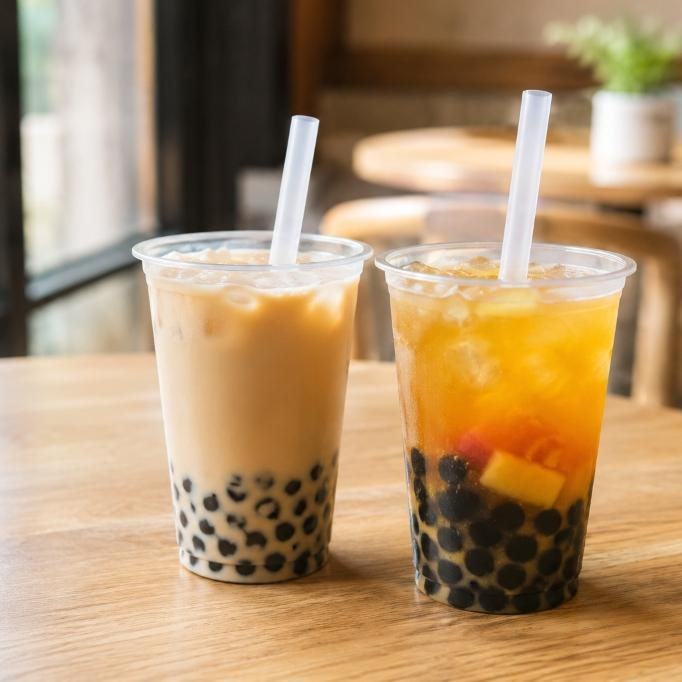
Added Sugar vs Total Sugar: The Crucial Health Distinction
The US Food and Drug Administration (FDA) draws an essential regulatory line between total sugar and added sugar. To understand total calorie calculations across all drink components, refer to our master bubble tea calories guide:
- Total Sugar: Encompasses all simple carbohydrates in the cup, including naturally occurring milk sugars (lactose) and intrinsic fruit sugars (fructose), plus any added sweeteners.
- Added Sugar: Refers exclusively to free sugars incorporated during drink preparation: cane syrup, high-fructose corn syrup, brown sugar, honey, agave nectar, and concentrated fruit purees.
The FDA Daily Value (DV) for added sugars is 50 grams per day on a standard 2,000-calorie diet. The American Heart Association (AHA) recommends even stricter limits: a maximum of 25 grams (6 tsp) daily for adult women and children ages 2 to 18, and 36 grams (9 tsp) daily for adult men. A single 16 oz bubble tea ordered at 100% sweetness with tapioca pearls can deliver 45 to 55 grams of added sugar, meeting or exceeding an entire day’s allowance in one drink.
Does 0% Sugar Boba Contain Sugar? (Hidden Sugar Decoded)
One of the most persistent misconceptions in bubble tea culture is that ordering 0% sweetness produces a zero-sugar, keto-safe beverage. While the barista adds zero pumps of liquid cane sugar, multiple ingredients still introduce intrinsic and added sugars:
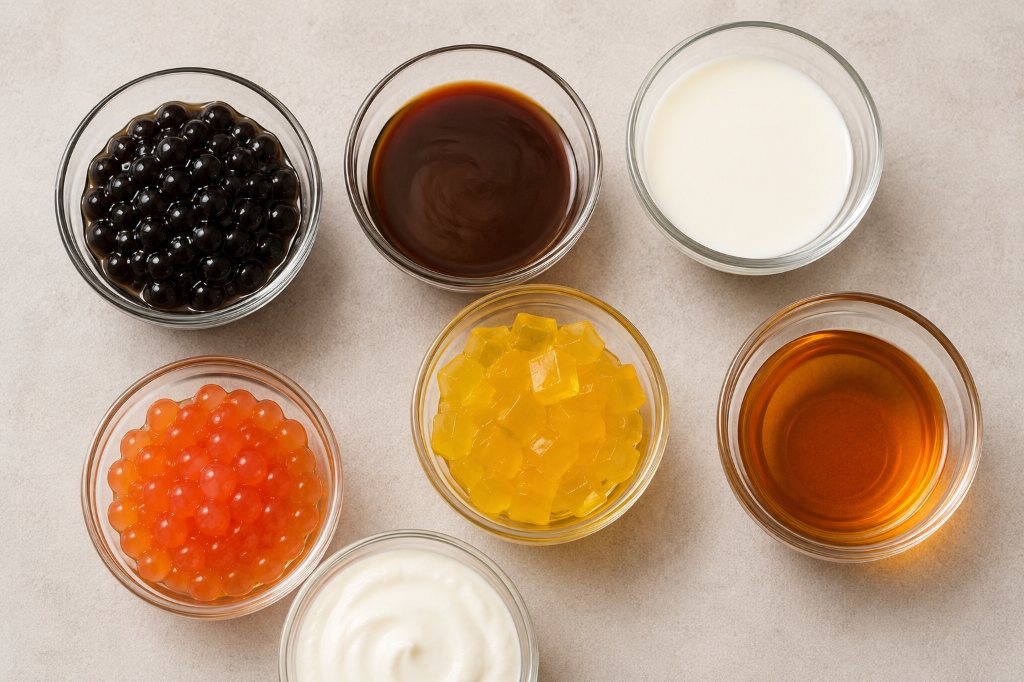
- Dairy Milk Lactose: Fresh cow’s milk naturally contains roughly 12 to 13 grams of lactose sugar per 8 oz serving. A 16 oz milk tea contains about 6 oz of milk, contributing ~9 grams of natural sugar.
- Soaking Syrups for Tapioca: Cooked tapioca pearls must be stored in honey or dark brown sugar syrup to prevent clumping. Even when strained, a 60 g scoop retains 10 to 16 grams of absorbed sugar.
- Flavored Specialty Powders: Taro, matcha, and coconut drinks often utilize commercial 3-in-1 beverage powders that blend spray-dried creamer with refined sugar. In these drinks, ordering 0% sweetness may only reduce sweetness slightly because sugar is pre-blended into the powder.
- Fruit Concentrates & Jams: Commercial mango, passion fruit, or strawberry fruit teas rely on sweetened fruit purees or cordials rather than fresh squeezed juice. These purees contain substantial added sugars that cannot be subtracted.
Real-World Chain Data: Gong Cha USA’s published January 2024 nutritional documentation confirms this reality. A medium Pearl Milk Tea contains 29 g of total sugar at 100% sweetness and 8 g of sugar at 0% sweetness. A large version contains 40 g at 100% and 10 g at 0%.
Hidden Sugar in Popular Boba Toppings
Toppings represent an independent source of sugar. For a full ranking of topping calorie densities, consult our boba toppings calories comparison. The table below illustrates common sugar loads across commercial toppings:
| Topping | Common Sugar Mechanism | Estimated Sugar per 60 g Scoop | Low-Sugar Ordering Protocol |
|---|---|---|---|
| Black Tapioca Pearls | Warm brown sugar / honey holding bath | 10 – 16 g | Request half a scoop or a perforated strainer. |
| Brown Sugar Boba | Dense caramelized muscovado syrup glaze | 18 – 26 g | Ask baristas to omit extra cup-wall tiger stripes. |
| Popping Boba | Sweetened liquid fruit juice/nectar core | 8 – 14 g | Pair exclusively with 0% unsweetened green tea. |
| Egg Custard Pudding | Sweetened custard powder, milk, and sugar | 10 – 15 g | Limit to one topping only per order. |
| Nata de Coco | Heavy commercial packing sugar solution | 9 – 14 g | Ask the barista to drain the scoop thoroughly. |
| Grass Jelly | Light simple syrup bath | 4 – 8 g | Best low-sugar alternative for classic milk tea. |
| Aloe Vera | Dilute fruit juice packing medium | 3 – 7 g | Lowest sugar impact among all boba toppings. |
Total Sugar Comparison: 16 oz vs 24 oz Cups
Cup size significantly compounds total sugar intake. The table below compares full-sugar and reduced-sugar drinks across cup volumes:
| Drink Configuration | 100% Sugar | 75% Sugar | 50% Sugar | 25% Sugar | 0% Added Syrup |
|---|---|---|---|---|---|
| 16 oz Black Milk Tea + Tapioca | 48 g total | 39 g total | 30 g total | 21 g total | 12 g (lactose + pearls) |
| 24 oz Black Milk Tea + Tapioca | 68 g total | 55 g total | 41 g total | 28 g total | 15 g (lactose + pearls) |
| 16 oz Jasmine Fruit Tea (Puree) | 42 g total | 33 g total | 24 g total | 15 g total | 6 g (fruit base sugar) |
| 24 oz Brown Sugar Tiger Milk | 72 g total | 60 g total | 48 g total | 36 g total | 24 g (pearls + cup glaze) |
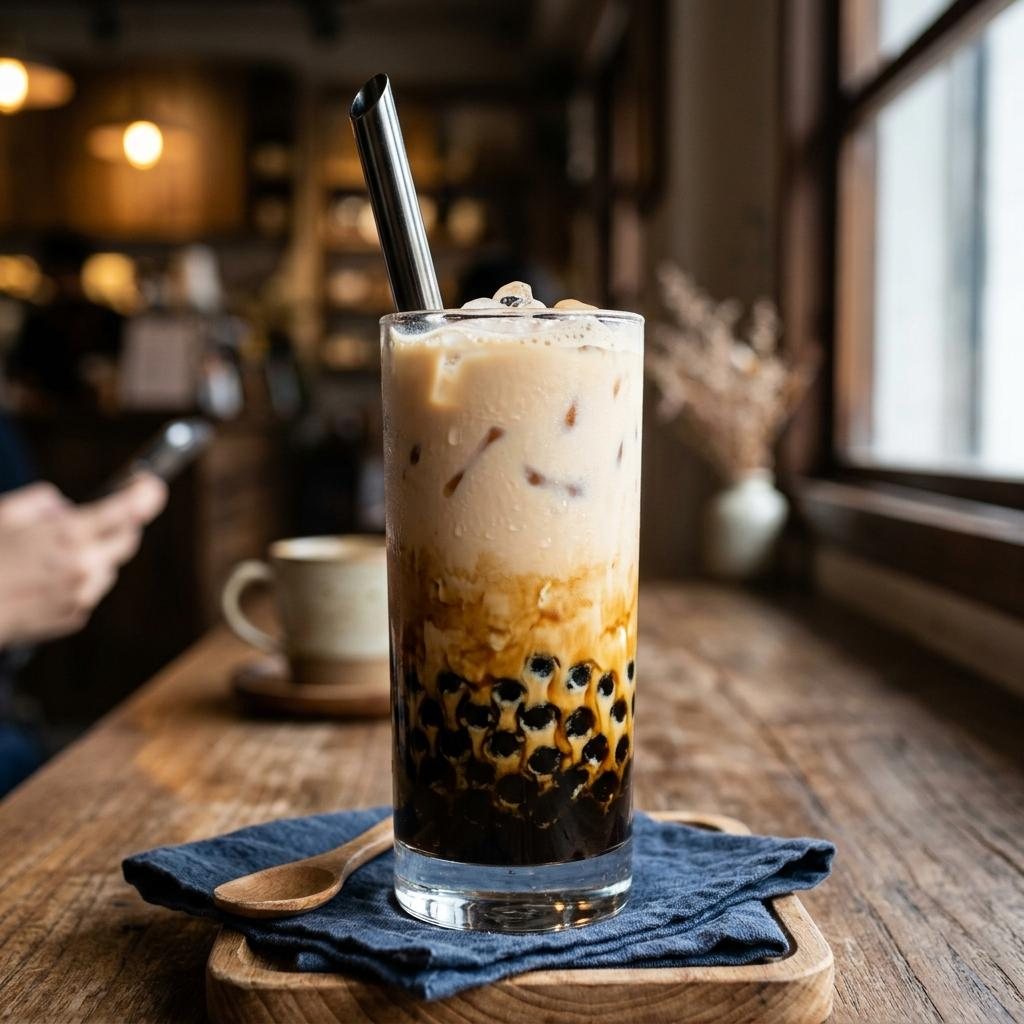
Temperature Perception: Why Iced Boba Masks Sweetness
Sensory physiology explains why full-sugar bubble tea is so heavily sweetened. Human taste receptors on the tongue, specifically the TRPM5 cation channel, are temperature-sensitive: they fire with greater intensity when foods are warm (between 15°C and 35°C / 59°F and 95°F).
When an iced bubble tea is served near 0°C to 4°C (32°F to 40°F), taste buds perceive sweetness with significantly attenuated sensitivity. Drink formulators compensate by adding heavy doses of high-fructose corn syrup or liquid sucrose. If you let a 100% sweet iced boba melt to room temperature, you will discover that it tastes cloyingly, syrupy sweet.
The Bottom Line
Mastering bubble tea sugar levels is about conscious customization. Sweetness settings control only the syrup pump, not the inherent sugars. For grab-and-go options with transparent nutrition labels, explore our controlled-sweetness ready-to-drink canned teas in dairy milk, fruit purees, and cooked tapioca pearls. For the ideal balance of health and sensory pleasure, order at 25% or 30% sweetness, opt for a 16 oz medium cup, and swap heavy tapioca pearls for aloe vera or grass jelly. This simple adjustment preserves genuine whole-leaf tea aromatics while slashing up to 40 grams of unnecessary sugar.
Frequently Asked Questions
What does 50% sugar mean in bubble tea?
50% sweetness means the barista dispenses half of the shop’s standard liquid syrup dose (typically ~18 g of added sugar instead of ~36 g). It does not mean the finished drink contains half the total carbohydrates, as milk lactose and tapioca soaking syrups remain unchanged.
Does 0% sugar bubble tea have zero calories?
No. A 0% sugar order removes only the adjustable syrup. If the drink contains dairy milk or plant creamer (100–150 kcal) and traditional tapioca pearls (140–200 kcal), the finished beverage can still contain 250 to 350 total calories.
How much sugar is in a typical 16 oz bubble tea?
A standard 16 oz milk tea with tapioca ordered at 100% sweetness contains approximately 45 to 55 grams of total sugar (roughly 11 to 14 teaspoons), equaling or surpassing the FDA Daily Value of 50 grams for added sugars.
Which toppings add the most sugar to a drink?
Brown sugar boba (18 to 26 g sugar per scoop) and traditional honey tapioca pearls (10 to 16 g sugar) contribute the highest sugar loads due to their heavy soaking syrups. Grass jelly and aloe vera contribute the lowest sugar.
Why does fruit tea often have more sugar than milk tea?
Commercial fruit teas frequently rely on sweetened fruit jams, purees, and cordials to deliver intense flavor and color. These concentrates contain high concentrations of added sugar before the barista even adds liquid syrup.
Are plant milks lower in sugar than dairy cow milk?
It depends on the formula. Unsweetened almond or soy milk contains 0 to 2 g of sugar per cup. However, barista-blend oat milks often contain 7 to 12 g of natural maltose and added sugars, matching or exceeding the 12 g of lactose in dairy milk.
Can individuals with diabetes drink bubble tea?
Yes, with careful modifications. Order 0% sweetness on freshly brewed tea, choose unsweetened soy or almond milk, and substitute starchy tapioca pearls with grass jelly or crystal boba to minimize glycemic impact.
Does asking for “less ice” increase the sugar in my drink?
In well-standardized shops, baristas top off the cup with extra unsweetened brewed tea or milk, meaning the total grams of added sugar remain unchanged even though the drink volume is greater.
Sources and Reference Standards
- US Food and Drug Administration (FDA): Added Sugars on the Nutrition Facts Label – Guidance for Industry and Consumer Health.
- American Heart Association (AHA): Scientific Statement: Dietary Sugars Intake and Cardiovascular Health.
- Centers for Disease Control and Prevention (CDC): Diabetes Nutrition – Carbohydrate Counting and Blood Glucose Management.
- Gong Cha USA: Official Nutritional & Ingredient Disclosures.
- Journal of Sensory Studies: Thermal Modulation of Sweet Taste Perception via TRPM5 Receptor Dynamics.


Comments