

With its electric tropical aroma, mouthwatering acidity, and crisp seed crunch, passion fruit bubble tea is one of the most invigorating fruit teas in modern boba culture. Built on a delicate foundation of iced jasmine green tea and fresh passion fruit pulp, this drink balances vibrant citric acidity with sweet cane sugar and playful chewy toppings.
Quick Answer: What is Passion Fruit Bubble Tea?
Quick answer: Passion fruit bubble tea is a cold fruit tea prepared by vigorously shaking chilled floral jasmine green tea, tart passion fruit pulp or puree, simple syrup, and ice over chewy tapioca pearls or coconut jelly. Because passion fruit has a natural pH near 3.0, it is traditionally brewed with clear tea rather than dairy milk to prevent curdling. A standard 16 oz serving contains roughly 160 to 260 calories and 25 to 35 mg of gentle tea-derived caffeine.
Food Science & Acidity Review: Organic acid profiles (citric and L-malic acids), volatile sulfur aromatics (4MMP), and casein micelle acid precipitation mechanics reflect peer-reviewed food hydrocolloid and dairy science literature (fact-checked September 2026). Botanical compounds provide characteristic sensory zest but do not constitute medicinal therapy.
The Anatomy of Passion Fruit: Pulp, Seeds, and Aroma
Passion fruit originates from Passiflora edulis, a vigorous climbing vine native to tropical South America now cultivated worldwide. Slicing open a ripe, dimpled purple or golden fruit reveals a cavity packed with translucent orange juice sacs called arils, each encasing an edible, crunchy black seed.
When formulating bubble tea, you have several format options:
- Fresh Fruit Pulp: Yields the brightest aromatics, authentic seed crunch, and natural, unadulterated tartness. Ripe fruit has wrinkled skin and feels noticeably heavy for its size.
- Frozen Passion Fruit Pulp: Flash-frozen unsweetened pulp retains virtually all volatile fruit oils and nutritional ascorbic acid, providing exceptional year-round consistency.
- Commercial Fruit Puree: Strained of seeds and lightly pasteurized. Some commercial purees contain 10% added cane sugar, which must be accounted for in recipe sweetening.
- Flavoured Boba Syrup: Convenient for rapid service but lacks real fruit complexity, relying heavily on artificial flavourings, food colorants, and high-fructose corn syrup.
Why Passion Fruit Smells & Tastes So Unique
The intoxicating tropical scent of passion fruit is governed by complex organic chemistry. Food scientists have isolated trace volatile sulfur compounds (VSCs) alongside fruity esters that give the fruit its distinct character:
- 4MMP (4-mercapto-4-methylpentan-2-one): A potent thiol compound active at parts-per-trillion levels, delivering classic boxwood, blackcurrant, and tropical passion fruit notes.
- 3-Mercaptohexan-1-ol: Imparts mouthwatering exotic citrus and grapefruit nuances.
- Ethyl Butyrate: Contributes sweet, fruity, passion fruit candy top-notes.
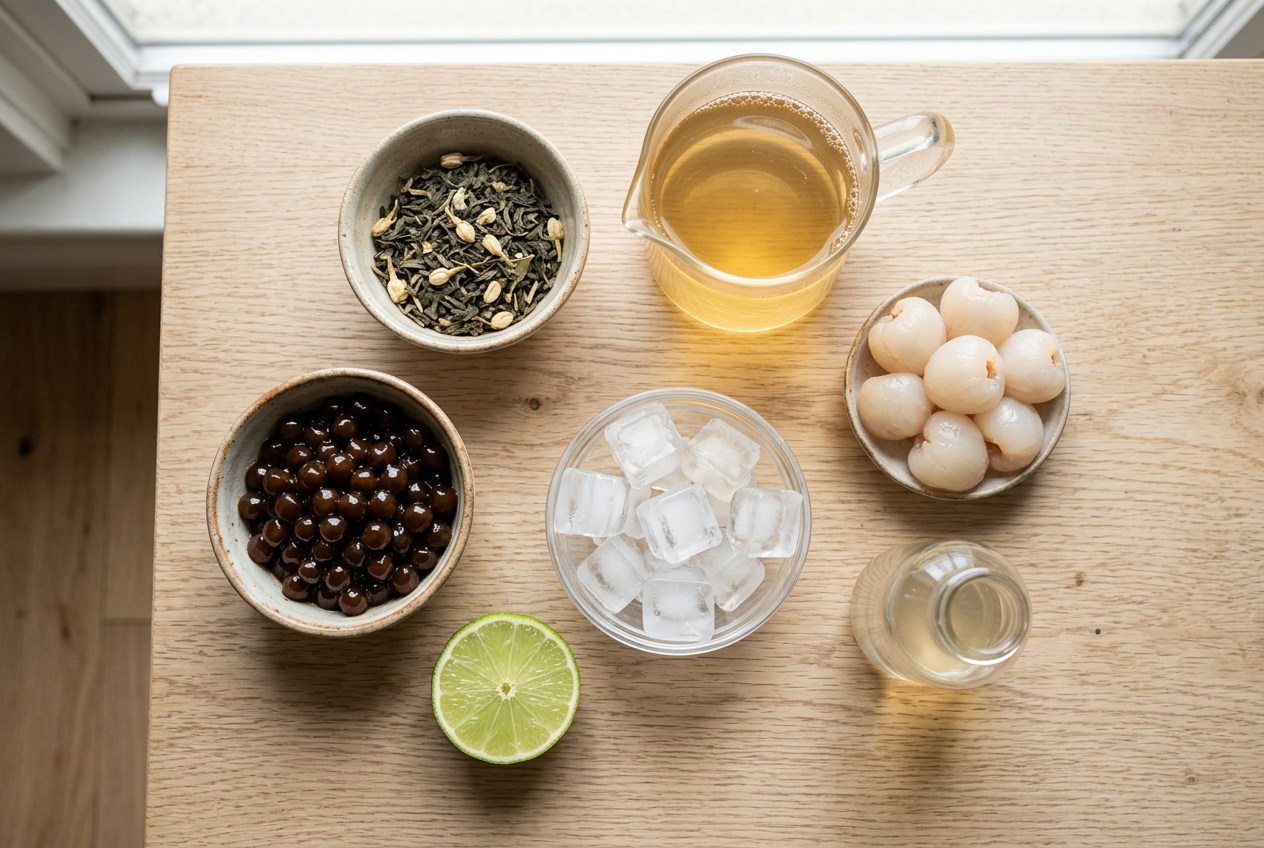
Because heat degrades these volatile thiols, never boil or cook fresh passion fruit pulp with tea. Learn how to balance tropical acidity in our fruit bubble tea combinations guide. Always brew and chill the tea liquor first, adding the passion fruit at the cold shaking stage to preserve peak aromatic vibrancy.
The Chemistry of Milk Curdling: Why Dairy Splits with Passion Fruit
A frequent beginner question is whether you can make “passion fruit milk tea” with cow's milk. In short: doing so almost always produces an unappealing, curdled beverage.
Casein Micelle Destabilization Mechanics
Passion fruit juice is naturally aggressive, possessing a pH between 2.8 and 3.2 due to high concentrations of organic citric acid and L-malic acid.
Cow's milk contains suspended protein clusters called casein micelles, protected by negatively charged surface hairs of kappa-casein. When acidic passion fruit drops beverage pH below 4.6 (casein's isoelectric point), the repulsive electric charges collapse. The casein proteins immediately aggregate, precipitating into stringy, unsightly curd clumps.
Alternative Dairy-Free Foundations: To enjoy a creamy passion fruit drink without curdling, use acid-stable plant milks (such as barista-formulated coconut milk or neutral oat milk fortified with dipotassium phosphate buffers). However, clear bases—such as floral jasmine green tea, four seasons oolong, or sparkling mineral water—remain the gold standard for fruit boba.
Fresh Pulp vs. Strained Pulp vs. Puree
| Preparation Style | Sensory Texture | Recommended Straw | Ideal Use Case |
|---|---|---|---|
| Whole Fresh Pulp with Seeds | Juicy juice sacs with distinct, crisp seed crunch | 12 mm wide boba straw | Artisan fruit tea paired with chewy boba or nata de coco |
| Partly Strained Pulp | Smooth liquid with 5–10 decorative seeds for visual flair | 10 mm to 12 mm straw | Cafe-style iced teas where minimal seed chewing is preferred |
| Fully Strained Puree / Juice | Completely silky, zero seeds, intense electric yellow | Standard drink straw or 12 mm | Popping boba beverages, sparkling teas, and blended slushies |
Best Topping Pairings for Passion Fruit Tea
Because passion fruit tea is tart and highly acidic, different toppings alter the drinking experience dramatically:
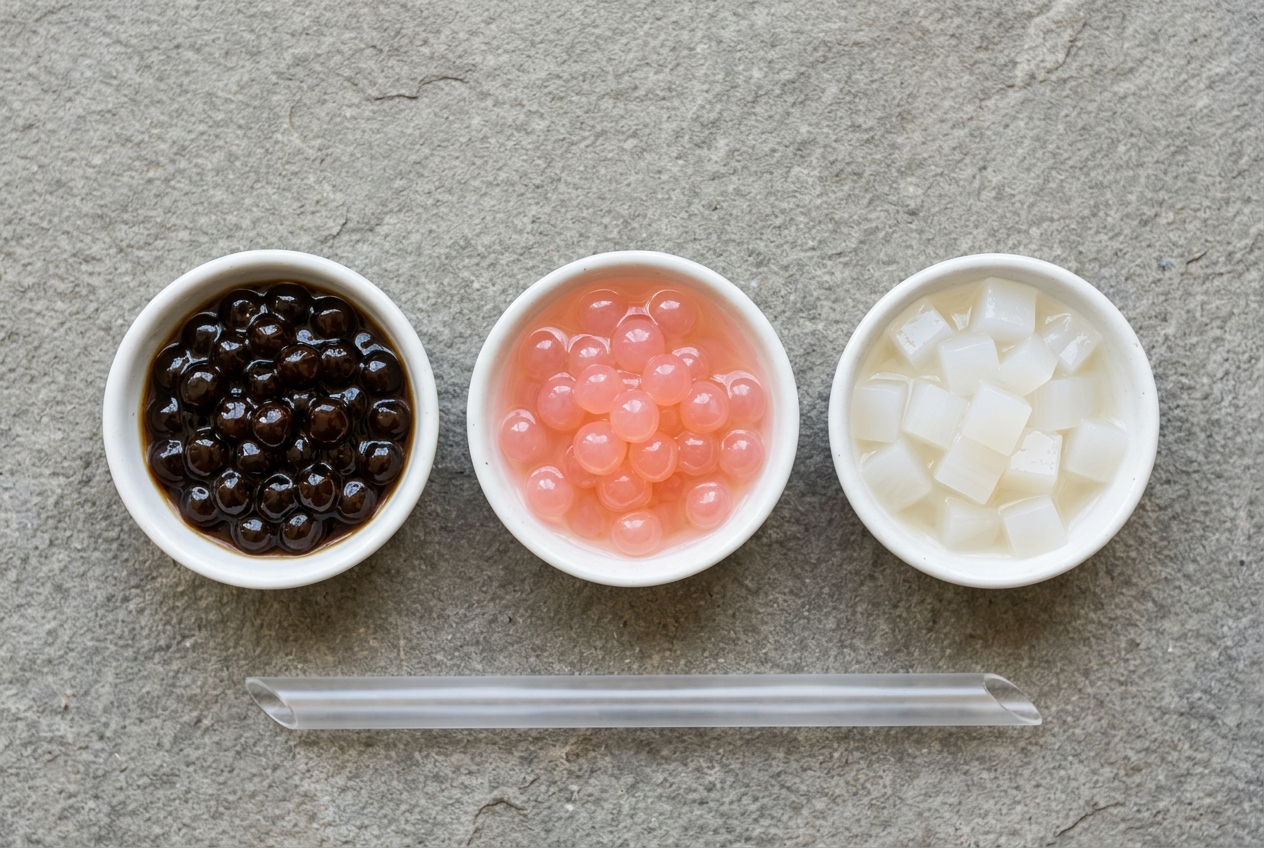
- Coconut Jelly (Nata de Coco): The quintessential pairing. Fermented cellulose cubes offer a firm, chewy bite and subtle coconut sweetness that balances sharp citric acidity without making the drink heavy.
- Traditional Brown Sugar Boba: Chewy, warm tapioca coated in dark caramel syrup creates a striking contrast of warm sweetness and chilled tartness.
- Mango or Lychee Popping Boba: Calcium-alginate spheres filled with tropical fruit juice burst on bite, adding secondary waves of tropical sweetness.
- Aloe Vera Jelly: Crisp, succulent cubes soaked in light syrup provide cooling relief against zesty passion fruit.
- The “Duo” Combo: 25 g tapioca pearls + 25 g coconut jelly delivers the ultimate combination of chewy and crunchy mouthfeel.
Calorie, Carbohydrate, and Vitamin C Profile
The nutritional profile of passion fruit bubble tea varies according to sweetness level and topping selection. The crispest pairing for passion fruit is chewy coconut nata de coco jelly. Below are estimated nutritional metrics for a standard 16 oz (500 ml) serving:
| Drink Formulation (16 oz / 500 ml) | Sweetness Level | Estimated Calories | Carbohydrates | Estimated Vitamin C |
|---|---|---|---|---|
| Jasmine Green Tea with Tapioca | 100% Full Sweet | 260 kcal | 62 g | 18 mg |
| Jasmine Green Tea with Tapioca | 50% Sweet | 195 kcal | 46 g | 18 mg |
| Jasmine Green Tea with Coconut Jelly | 30% Light Sweet | 135 kcal | 32 g | 20 mg |
| Jasmine Green Tea with Popping Boba | 50% Sweet | 160 kcal | 38 g | 22 mg |
| Unsweetened Tea (No Topping) | 0% Sugar | 45 kcal | 10 g | 24 mg |
Boba Shop Ordering Guide
- Target Sweetness: Start at 50% sweetness. Authentic passion fruit is intensely sharp, so ordering 0% or 30% sugar can result in an uncomfortably puckering beverage unless you adore extreme sourness.
- Ice Calibration: Request Regular or Less Ice. A proper ice shake aerates the tea and develops micro-foam; request less ice only if you plan to sip slowly without over-diluting the tea liquor.
- Pulp Inquiry: Ask the barista if they use real seed-in fruit pulp, fruit puree, or artificial flavoured syrup. Real fruit puree justifies premium pricing and delivers genuine fruit acids.
The Bottom Line on Passion Fruit Bubble Tea
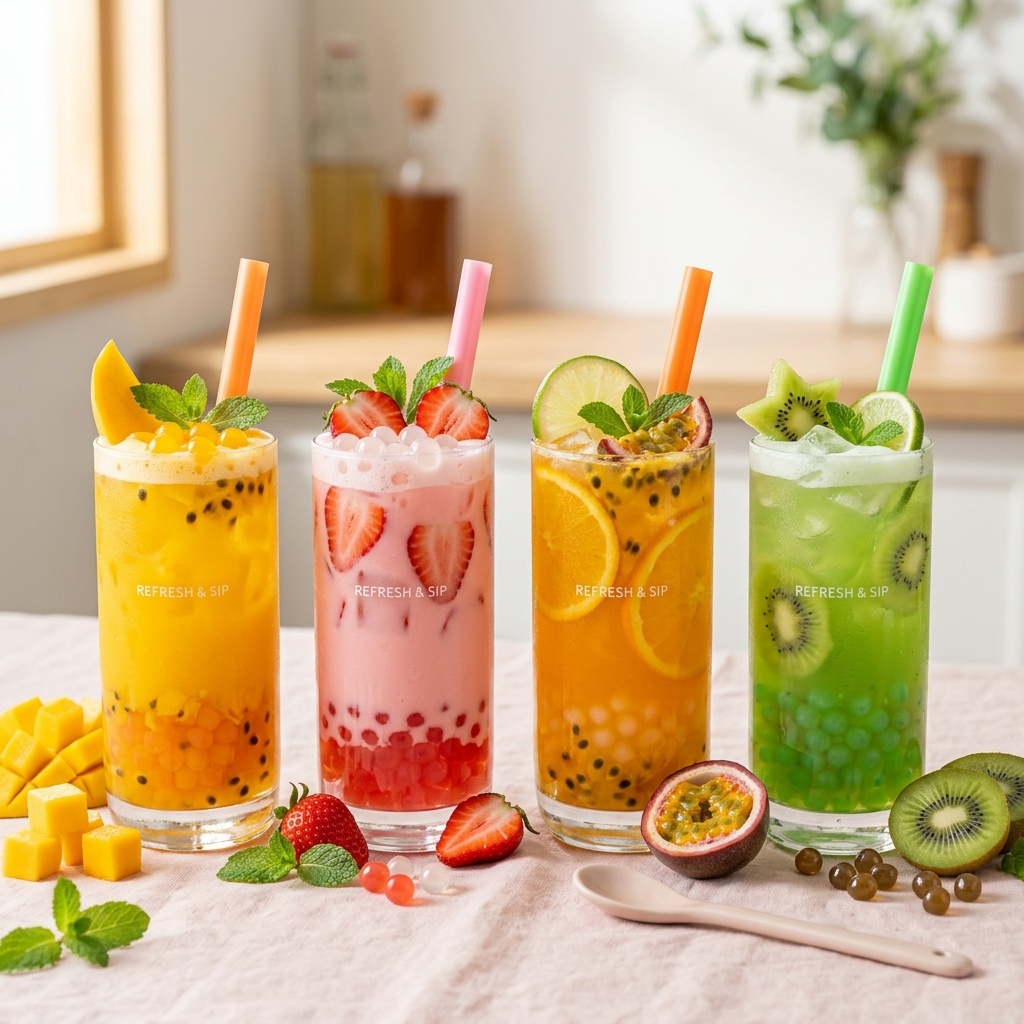
Summary: Passion fruit bubble tea is an exhilarating showcase of tropical food science. By steeping fragrant jasmine green tea at 80°C, pairing it with chilled, seed-in passion fruit pulp, and topping with bouncy coconut jelly or warm tapioca, you achieve a pristine balance of sweetness, floral aroma, and sharp tropical acidity in every sip.
Frequently Asked Questions
Classic Passion Fruit Jasmine Green Tea Recipe (16 oz / 500 ml)
Prep time: 5 mins • Brew time: 3 mins • Chilling: 5 mins • Total time: 13 mins
What does passion fruit bubble tea taste like?
It tastes zesty, tart, tropical, and sweet. Upfront citric and malic acidity makes the mouth water, followed by the delicate, floral perfume of jasmine green tea and sweet, chewy topping notes.
Can I put milk in passion fruit bubble tea?
Adding dairy cow's milk causes almost instantaneous curdling. Passion fruit's low pH (approx. 3.0) drops beverage pH past casein's isoelectric point (pH 4.6), causing milk proteins to clump into stringy curds. Stick to clear tea bases or acid-buffered plant milks.
Does passion fruit bubble tea have caffeine?
Passion fruit itself is 100% caffeine-free. However, when prepared with traditional jasmine green tea or black tea, a 16 oz drink contains roughly 25 to 35 mg of caffeine. Use caffeine-free herbal tisanes or sparkling water for a zero-caffeine version.
Are the black passion fruit seeds edible?
Yes, the seeds are completely edible, crisp, and safe to swallow. They add a delightful textural crunch. For vibrant, ready-to-sip tropical drinks, discover our ready-to-drink fruit boba cups. that complements the chewy boba. Ensure you use a 12 mm wide straw so seeds do not cause clogs.
What is the best tea base for passion fruit boba?
Jasmine green tea is the undisputed favorite because its floral aroma (linalool, benzyl acetate) elevates tropical fruit notes without masking acidity. Four Seasons oolong and mild Ceylon black tea also perform well.
Can I use frozen passion fruit pulp?
Yes. Unsweetened frozen passion fruit pulp is one of the best choices for home cooks and cafes alike. Thaw it overnight in the refrigerator and stir thoroughly before measuring to blend separated juice and fruit solids.
Is passion fruit popping boba the same as passion fruit pulp?
No. Popping boba consists of alginate-encapsulated fruit juice spheres that burst in the mouth. Passion fruit pulp is the raw, natural arils and juice harvested directly from the fruit itself.
Is passion fruit bubble tea healthy?
Fresh passion fruit provides natural dietary vitamin C and antioxidant polyphenols. When ordered with 30% or 50% sweetness and lighter toppings like coconut jelly, it provides a significantly lighter, lower-calorie alternative to heavy, syrup-laden milk teas.
Sources and Editorial References
This guide was produced in accordance with peer-reviewed botanical chemistry, dairy science research, and regulatory food standards:
- PubMed Central (PMC8699178): Phytochemical Profiles & Volatile Aromas in Passiflora edulis Pulp — Analysis of organic citric and malic acids, volatile sulfur aromatics, and ascorbic acid retention.
- PubMed Central (PMC7074363): Acid-Induced Casein Micelle Coagulation & Destabilization — Thermodynamics of milk protein precipitation near pH 4.6 isoelectric point.
- USDA FoodData Central: USDA FoodData Central: Passion Fruit Pulp & Juice — Official nutrient profiles for raw purple passion fruit arils and prepared fruit juices.
- US Food and Drug Administration (FDA): Safe Food Handling & Perishable Beverage Storage — Temperature and holding parameters for prepared commercial fruit teas.
- Electronic Code of Federal Regulations (eCFR): Title 21 Part 146: Canned Fruit Juices and Fruit Purees — Standards of identity and processing guidelines for commercial fruit products.
- UK Food Standards Agency (FSA): Allergen Guidance for Food Businesses — Cross-contact prevention protocols and non-prepacked food ingredient declarations.


Comments