

Ceylon milk tea is an aromatic, refreshing beverage made with authentic black tea from Sri Lanka, combined with fresh milk and a sweetener. Celebrated for its crisp, golden-copper infusion and vibrant character, Ceylon tea delivers a clean black-tea profile with natural citrus, floral, and honeyed undertones.
Unlike heavier malt-forward black teas, Ceylon milk tea can range from light and delicate to brisk and full-bodied depending on the elevation of the growing district. For an iced bubble tea, a brisk high-grown Dimbula tea is the gold standard, retaining its signature aroma and colour even when shaken with cold dairy and poured over ice. This guide covers Sri Lankan tea regions, leaf grading (BOP vs OP), caffeine levels, dairy pairings, and an authentic café-tested iced Ceylon boba recipe layered with honey tapioca pearls.
Quick answer: Ceylon milk tea is made with 100% pure black tea from Sri Lanka, whole milk, evaporated milk, and sweet honey or cane syrup. High-grown Dimbula tea (brewed at 95–100°C for 5–6 minutes) provides the ideal balance of briskness and golden colour, cutting cleanly through milk fat without masking delicate floral notes.
Notice & Food Safety: Always verify dairy freshness and store brewed tea infusions in an airtight container under 4°C (40°F) for no longer than 48 hours. Cooked tapioca pearls should be consumed within 4 hours at room temperature to avoid starch retrogradation and bacterial risk. If using honey to sweeten, note that raw honey should never be fed to infants under 12 months of age.
Editorial Review: Tested across high-grown Dimbula (BOP), low-grown Ruhuna, and delicate Nuwara Eliya estates by the Bobalicious tea lab. Steep times and flash-chill techniques were calibrated to maximize tannin-casein binding without clouding or bitter over-extraction.
What is Ceylon Milk Tea?
Ceylon milk tea is prepared using Ceylon tea—the legally protected geographical name for tea grown and processed in Sri Lanka. Under Sri Lanka Tea Board regulations, tea marketed as Ceylon Tea must originate entirely from certified Sri Lankan estates and cannot be blended with teas from other countries.
Sri Lanka was originally a leading coffee producer until the coffee leaf rust epidemic (Hemileia vastatrix) devastated plantations in the 1860s. Planters swiftly transitioned to tea cultivation. Scottish planter James Taylor planted the first commercial tea field at the Loolecondera estate in 1867, with early processing techniques documented by the Tea Board in 1866, establishing Sri Lanka as a global tea powerhouse.
How Sri Lankan Tea Regions Change the Cup
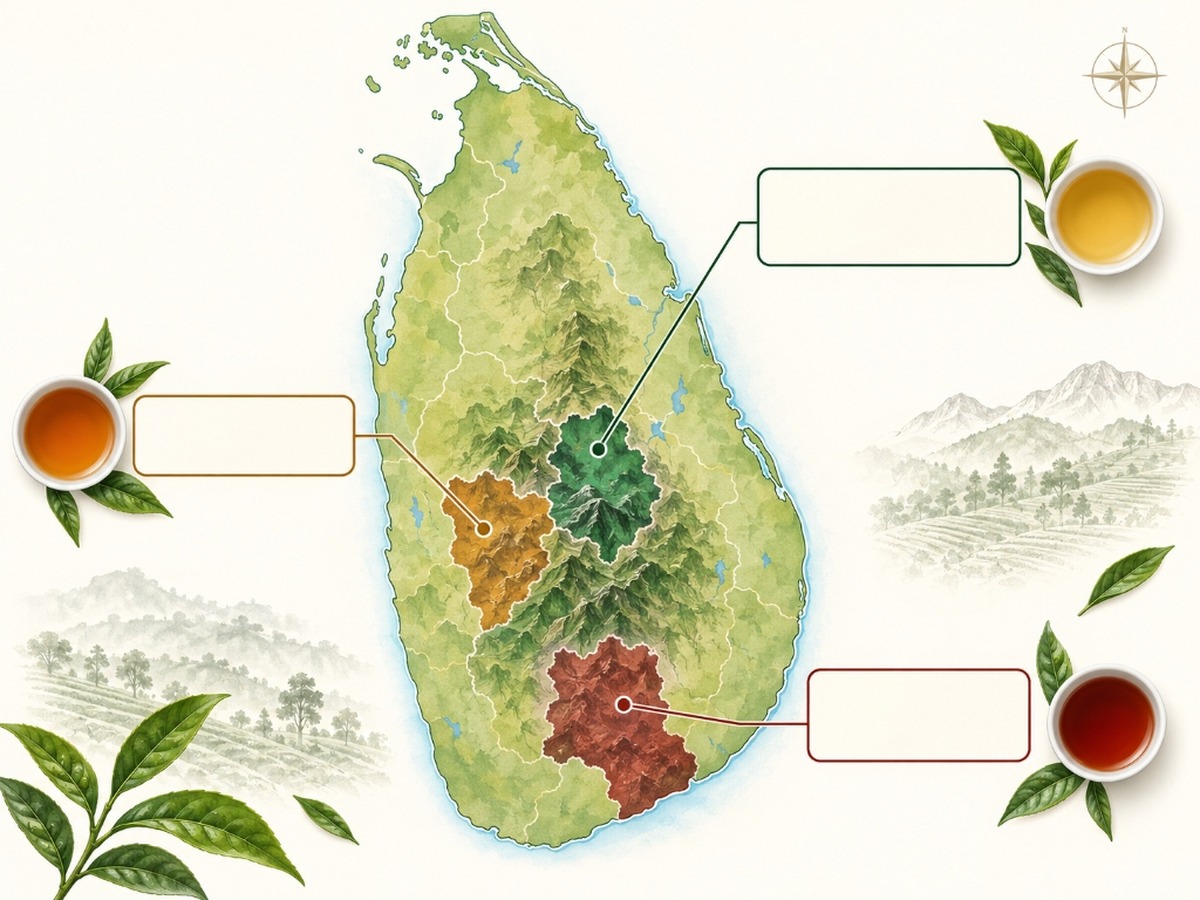
Sri Lanka features seven official tea-growing districts spanning varying microclimates and elevations. Elevation plays a decisive role in aroma, colour, and body:
| Growing Region | Elevation & Official Character | Milk Tea Application |
|---|---|---|
| Nuwara Eliya | Very high elevation (over 6,000 ft / 1,800 m); pale golden liquor with delicate floral, cypress, and eucalyptus fragrance. | Best for light, fragrant hot milk tea; delicate notes can wash out under heavy ice. |
| Dimbula | High-grown (3,500 to 5,000 ft / 1,100 to 1,600 m); fine golden-orange cup, refreshingly mellow with brisk citrus notes. | The supreme all-round choice for iced Ceylon milk tea and boba drinks. |
| Ruhuna | Low-grown (sea level to 2,000 ft / 600 m); deep, rich mahogany liquor with strong, sweet malt and honey undertones. | Excellent for bold, dessert-style milk teas requiring a heavier black-tea presence. |
What Does Ceylon Milk Tea Taste Like?
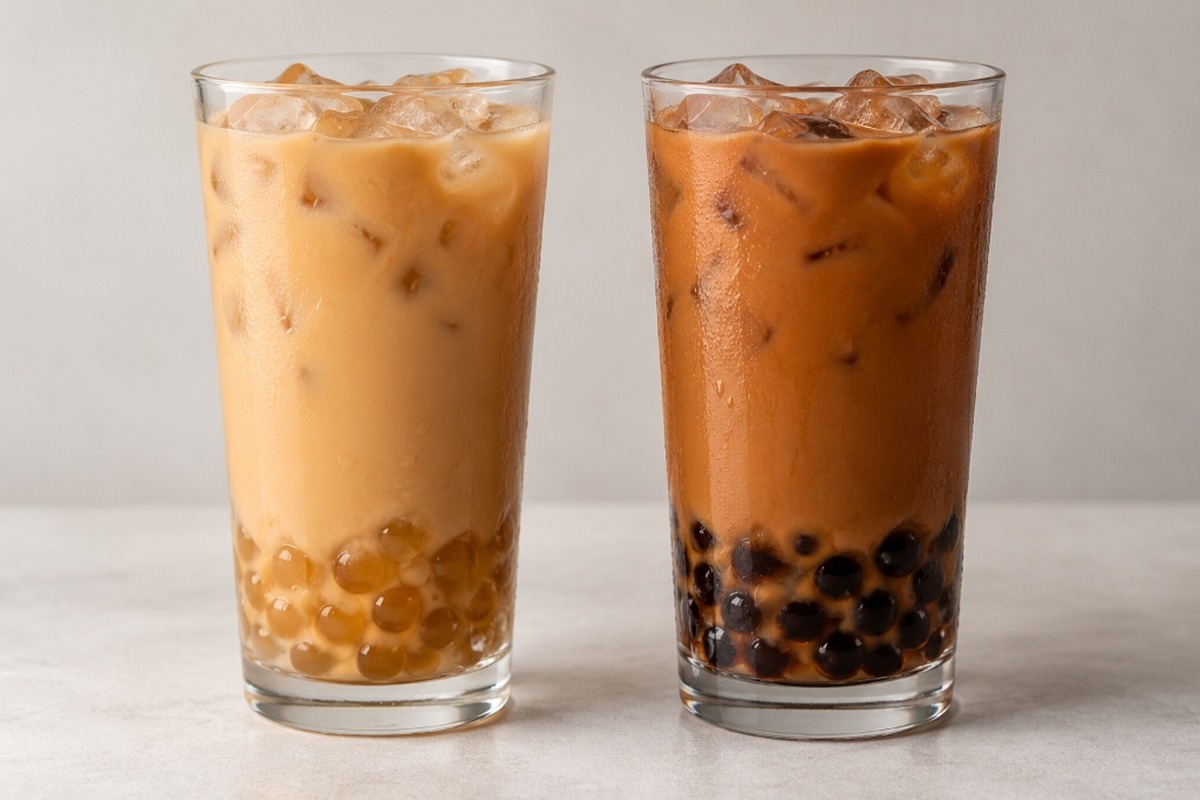
Ceylon milk tea offers a remarkably crisp, clean flavour profile. Unlike heavily roasted oolongs or dense malty teas, a Dimbula Ceylon base yields lively citrus-peel notes, wild honey sweetness, and a bright floral bouquet. When mixed with dairy, milk proteins soften the tea's brisk tannins, creating a silky texture without muddying its vibrant character.
Ceylon vs Assam Milk Tea
Both Ceylon and Assam are globally celebrated black-tea foundations for bubble tea, but they cater to very different flavour preferences: To understand how maltier black teas compare in milk drinks, read our guide on Assam milk tea.
| Comparison Feature | Ceylon Milk Tea (Sri Lanka) | Assam Milk Tea (India) |
|---|---|---|
| Flavor Profile | Bright, citrusy, floral, crisp golden honey. | Malty, toasted cocoa, rich molasses, dark wort. |
| Liquor Appearance | Bright golden-copper to amber-orange. | Deep mahogany red to dark coppery brown. |
| Ideal Sweetener | Wildflower honey, simple cane syrup. | Dark brown sugar, condensed milk, muscovado. |
| Best Boba Topping | Honey boba, aloe vera jelly, crystal boba. | Brown sugar boba, custard egg pudding. |
| Best Serving Style | Light, refreshing iced afternoon milk tea. | Heavy, decadent dessert-style boba. |
How Much Caffeine is in Ceylon Milk Tea?
Caffeine concentrations vary depending on leaf harvest, particle size, and steeping parameters. Published analytical studies show that commercial brewed black Ceylon teas contain between 40 and 70 mg of caffeine per 8 oz cup. When brewed as a concentrated double-strength liquor for a 16 oz iced boba (using 12 g of tea leaves), total caffeine ranges from 90 to 130 mg—roughly equivalent to a strong cup of brewed drip coffee.
Why Milk Changes Black Tea: The Science of Casein Binding
Black tea astringency is caused by free polyphenolic tannins binding to proline-rich proteins in human saliva. When dairy milk is added to freshly brewed Ceylon tea, casein micelles form stable hydrophobic complexes with the free tannins before they contact your palate. This molecular binding eliminates bitterness and harshness, creating a silky mouthfeel while preserving the tea's bright top notes.
Best Milk and Sweetener Pairings
- Whole Milk (3.5% fat): Provides clean creaminess and sufficient casein to bind tannins without masking tea aroma.
- Whole Milk + Evaporated Milk (100 ml + 30 ml): A café-favorite technique that enhances body and richness while keeping sweetness fully customizable.
- Barista Oat Milk: The best plant-based alternative; choose neutral formulations without heavy oat flavour to preserve Ceylon's delicate florals.
- Raw Honey / Simple Cane Syrup: The preferred sweeteners for Ceylon tea. Dark molasses can overpower Ceylon's bright profile, whereas honey amplifies its natural floral sweetness.
Easy Ceylon Boba Milk Tea Recipe (16 oz / 475 ml)
This balanced recipe delivers a café-quality iced Ceylon milk tea using loose Dimbula BOP leaves and honey-infused boba.
Ingredients
| Component | Ingredient | Quantity |
|---|---|---|
| Tea Concentrate | Dimbula Ceylon black tea (BOP grade) | 12 g |
| Brewing Water | Filtered hot water at 200°F (95–100°C) | 180 ml |
| Dairy | Cold fresh whole milk | 100 ml |
| Rich Dairy Accent | Evaporated milk | 30 ml |
| Sweetener | Raw honey (or simple cane syrup) | 25 ml |
| Topping | Cooked tapioca pearls (tossed in honey syrup) | 50 g |
| Ice | Ice cubes (40 g for shaking, 80 g for serving) | 120 g total |
Step-by-Step Preparation
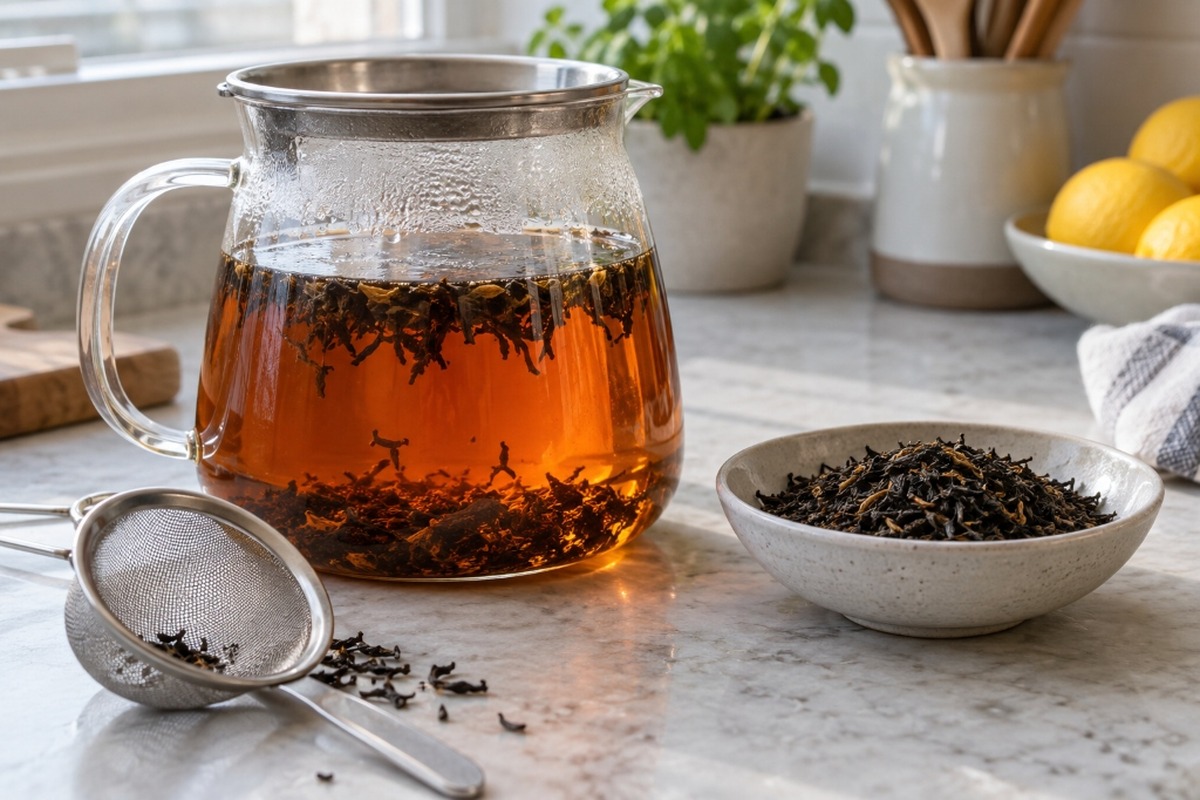
Step 1: Brew Strong Concentrate
Steep 12 g of Ceylon tea in 180 ml boiling water for exactly 5 to 6 minutes. Strain through a fine-mesh sieve, pressing gently to extract roughly 120 ml of deep copper concentrate.
Step 2: Sweeten Hot
Stir 25 ml honey directly into the steaming hot concentrate until completely dissolved.
Step 3: Flash Chill
In a cocktail shaker filled with 40 g of ice, add the sweetened hot tea. Shake vigorously for 10 seconds to chill rapidly without excess water dilution.
Step 4: Assemble & Layer
Spoon 50 g of honey boba into a 16 oz glass. Fill with 80 g of fresh ice, pour 100 ml cold whole milk and 30 ml evaporated milk, then top with the chilled Ceylon tea concentrate. Stir once and enjoy with a wide boba straw.
Best Toppings for Ceylon Milk Tea
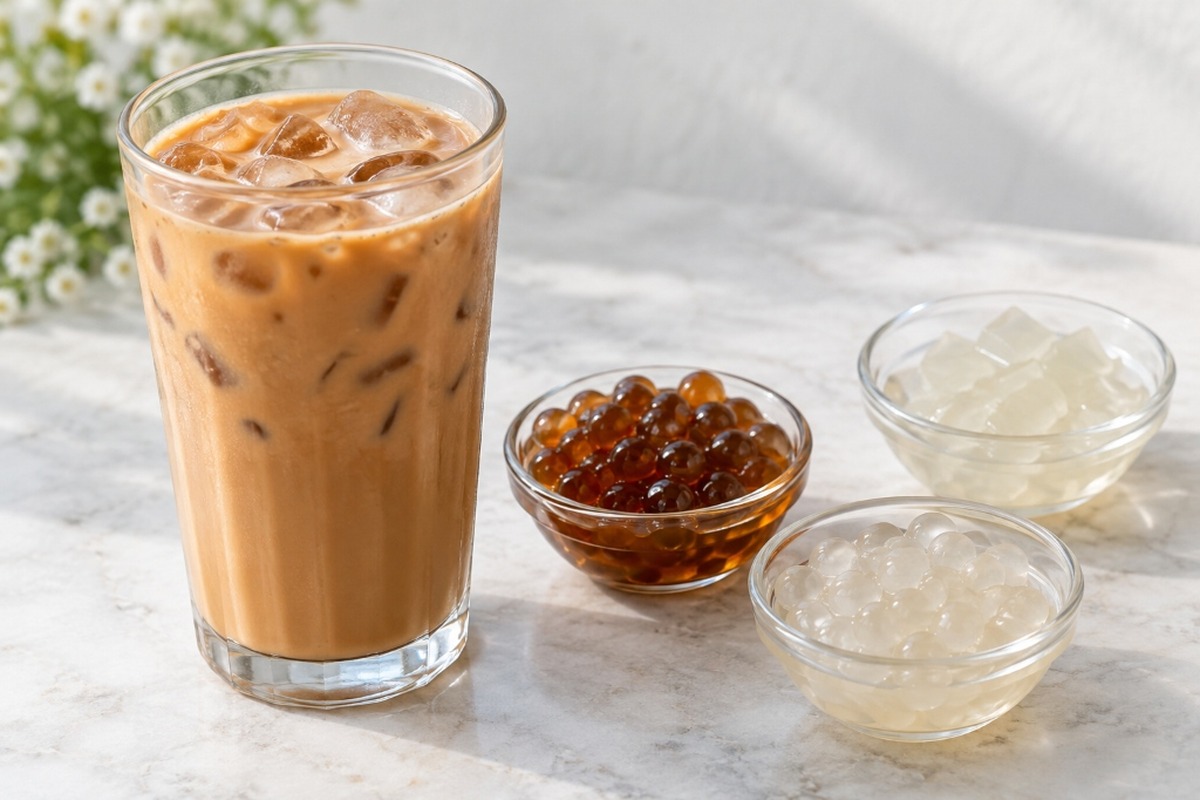
Honey Tapioca Pearls
Warm cassava pearls soaked in wildflower honey enhance the natural sweetness of Ceylon tea.
Aloe Vera Jelly
Crisp, succulent aloe cubes add refreshing texture to iced Ceylon milk tea. Explore full profiles for popular black and green tea bases in our milk tea flavours guide.
Crystal Boba (Agar Pearls)
Translucent, chewy konjac/agar pearls provide a springy bite while keeping the beverage visually bright.
Herbal Grass Jelly
Adds an earthy, cooling herbal contrast that pairs delightfully with Ceylon tea.
Sea Salt Cream Foam
A velvety salted cream cap provides a savory contrast to the bright golden tea base.
BOP, BOPF and OP: Which Leaf Grade Works Best?
The Sri Lanka Tea Board categorizes orthodox black teas by leaf particle size:
- BOP (Broken Orange Pekoe): The premier choice for milk tea. Small broken leaf pieces extract rapidly, producing a robust golden-copper liquor with strong briskness.
- BOPF (Broken Orange Pekoe Fannings): Even smaller particle size, common in premium tea bags; infuses in under 3 minutes with intense colour and strength.
- OP (Orange Pekoe): Long, wiry whole leaves with delicate aromatics. Best enjoyed hot without milk; requires longer steeping (8–10 mins) if used for iced boba.
Ceylon Milk Tea Compared with Other Tea Bases
| Tea Base | Flavor Character | Recommended Toppings |
|---|---|---|
| Ceylon Black Tea | Bright, golden, citrus-floral, crisp honey finish. | Honey boba, aloe jelly, crystal boba. |
| Assam Black Tea | Deep, malty, cocoa, heavy body. | Brown sugar boba, custard egg pudding. |
| Earl Grey Tea | Bergamot citrus, aromatic, perfumed black tea. | Tapioca pearls, salted cheese foam. |
| Roasted Oolong Tea | Toasted grain, roasted nutty warmth, orchid florals. | Brown sugar tapioca, herbal grass jelly. |
| Jasmine Green Tea | Light floral fragrance, refreshing, green tea briskness. | Popping boba, nata de coco, lychee jelly. |
The Bottom Line on Ceylon Milk Tea
Ceylon milk tea brings crisp botanical vibrancy to the bubble tea world. By selecting high-grown Dimbula BOP leaves, steeping a brisk 1:15 concentrate, and pairing it with whole milk, evaporated milk, and sweet honey pearls, you achieve a golden, aromatic milk tea that balances brisk citrus-floral tannins with luxurious creaminess.
Frequently Asked Questions
Is Ceylon milk tea the same as Sri Lankan milk tea?
Ceylon Tea is tea grown in Sri Lanka, so the terms describe the same agricultural origin. The finished milk tea recipe can still vary in tea strength, dairy type, sweetener, and toppings.
What does Ceylon milk tea taste like?
It depends on the growing elevation. Nuwara Eliya is light and fragrant, Dimbula is golden-orange and refreshingly mellow, and Ruhuna is fuller and darker with honey-malt notes.
What is the best Ceylon tea for milk tea?
For this boba recipe, Dimbula is the most balanced choice. The Sri Lanka Tea Board classifies it as high-grown and describes the liquor as golden-orange and refreshingly mellow with brisk citrus tones. For refreshing ready-to-enjoy bottled beverages, explore our ready-to-drink bottled tea range.
How much caffeine is in Ceylon milk tea?
Standard brewed Ceylon tea contains 40 to 70 mg of caffeine per 8 oz cup. A concentrated 16 oz iced boba recipe prepared with 12 g of tea leaves yields roughly 90 to 130 mg of caffeine.
Is Ceylon milk tea stronger than Assam milk tea?
Assam is generally chosen for a heavier malt-led cup, while Ceylon offers a brighter, more floral and citrus-toned profile. Perceived strength also depends on leaf grade and steeping parameters.
Can I use tea bags?
Yes. Choose tea bags clearly labelled as 100% Pure Ceylon Tea (look for the Lion Logo). Use 2 bags steeped for 5 minutes in 180 ml of hot water to maintain strong flavour after dairy and ice are added.
Why is my Ceylon milk tea bitter?
Using too much leaf or steeping past 6 minutes are the most common causes. Broken leaf grades extract very rapidly, so shorten steep time before attempting to mask bitterness with excessive sugar.
Is Ceylon tea acidic?
Black tea is naturally mildly acidic (typically pH 4.9 to 5.5), but actual pH varies with water source, tea cultivar, and steeping conditions. Adding milk buffers the acidity significantly.
What toppings go best with Ceylon milk tea?
Honey boba is the ideal pairing because wildflower honey amplifies Ceylon's natural floral notes. Aloe vera jelly, crystal boba, and herbal grass jelly also harmonize without dominating the tea.
How can I tell if a pack is genuine Ceylon Tea?
Look for Sri Lankan origin verification on the packaging and the official Ceylon Tea Lion Logo. The Sri Lanka Tea Board restricts this certification exclusively to 100% pure Ceylon teas packed in Sri Lanka.
Sources and Editorial References
The Bobalicious beverage development team validates formulation benchmarks, dairy stability curves, and food safety standards against authoritative regulatory databases:
- Sri Lanka Tea Board: Official Ceylon Tea Growing Regions, Agro-Climatic Elevations & Quality Standards — https://www.srilankateaboard.lk/
- Pure Ceylon Tea: Lion Logo Certification, Origin Authenticity & Global Export Standards — https://www.pureceylontea.com/
- Journal of Analytical Toxicology & PubMed: Caffeine Content of Brewed Teas and Extraction Dynamics (Chin JM et al., 2008; 32(8):702-4) — https://pubmed.ncbi.nlm.nih.gov/19007524/
- Foods Journal & PubMed: Simultaneous Determination of L-Theanine and Caffeine in Tea Infusions under Controlled Brewing (Keikotlhaile BM et al., 2021) — https://pubmed.ncbi.nlm.nih.gov/34204488/
- Journal of Dairy Science: Interaction Mechanism Between Milk Casein Micelles and Tea Polyphenols — https://www.journalofdairyscience.org/
- USDA FoodData Central: Nutritional Composition of Brewed Black Teas, Fluid Dairy, and Tapioca Starch — https://fdc.nal.usda.gov/


Comments