
Aloe Jelly Boba: Taste, Ingredients and Best Pairings
Aloe jelly boba is a light, refreshing bubble tea topping made with food-grade aloe vera. It usually comes in small, translucent cubes packed in sweet syrup, offering a mild, juicy taste and a tender, lightly crisp bite.
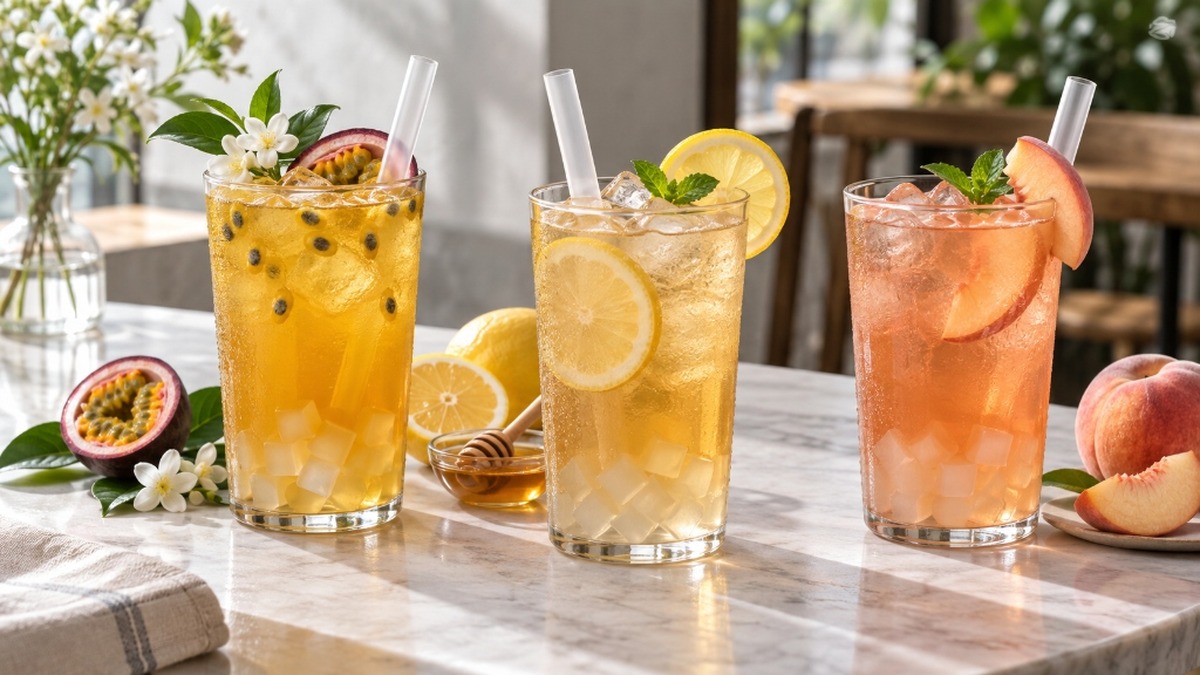
Because aloe vera has a delicate, subtle flavour, it pairs exceptionally well with chilled fruit teas and aromatic green teas. Flavours like passion fruit, lemon, mango, peach, and jasmine green tea enhance the topping without overpowering its fresh, cooling notes.
Commercial aloe toppings range from whole inner-leaf aloe pieces to formed dessert gels made with gelling agents. Understanding aloe leaf anatomy, food-grade processing, and aloin safety ensures you choose high-quality products for home brewing or café ordering.
Quick answer: Aloe jelly boba is a sweetened topping made from edible inner-leaf aloe vera tissue. It has a mild, refreshing flavour and a juicy, crisp texture. It pairs best with chilled fruit teas and floral jasmine green tea. For home drinks, use packaged food-grade aloe cubes rather than raw untreated leaves to avoid bitter aloin compounds.
Aloe jelly boba at a glance
| Feature | Key Details & Guidance |
|---|---|
| What is it? | Sweetened translucent cubes made from edible inner-leaf aloe vera. |
| Taste Profile | Mild, fresh, lightly sweet with subtle cucumber and melon undertones. |
| Texture | Juicy, tender, and lightly crisp with a clean, cooling bite. |
| Comparison to Tapioca | Unlike dense, chewy cassava tapioca pearls, aloe is crisp, plant-based, and lighter in carbohydrates. |
| Dietary Status | Inherently gluten-free; vegan in most commercial syrup preparations (verify honey absence). |
| Best Drink Pairings | Passion fruit tea, lemon honey oolong, mango green tea, peach white tea, and lychee jasmine tea. |
| Home Preparation Choice | Commercially packaged food-grade aloe cubes or pulp certified for oral consumption. |
What is aloe jelly boba?
Aloe jelly boba (also marketed as aloe vera boba, aloe cubes, or aloe pulp) is a popular bubble tea topping spooned into fruit teas, herbal infusions, and lemonades. The accepted botanical name for the source plant is Aloe vera (L.) Burm.f. (with Aloe barbadensis Mill. as a recognized botanical synonym), belonging to the family Asphodelaceae.
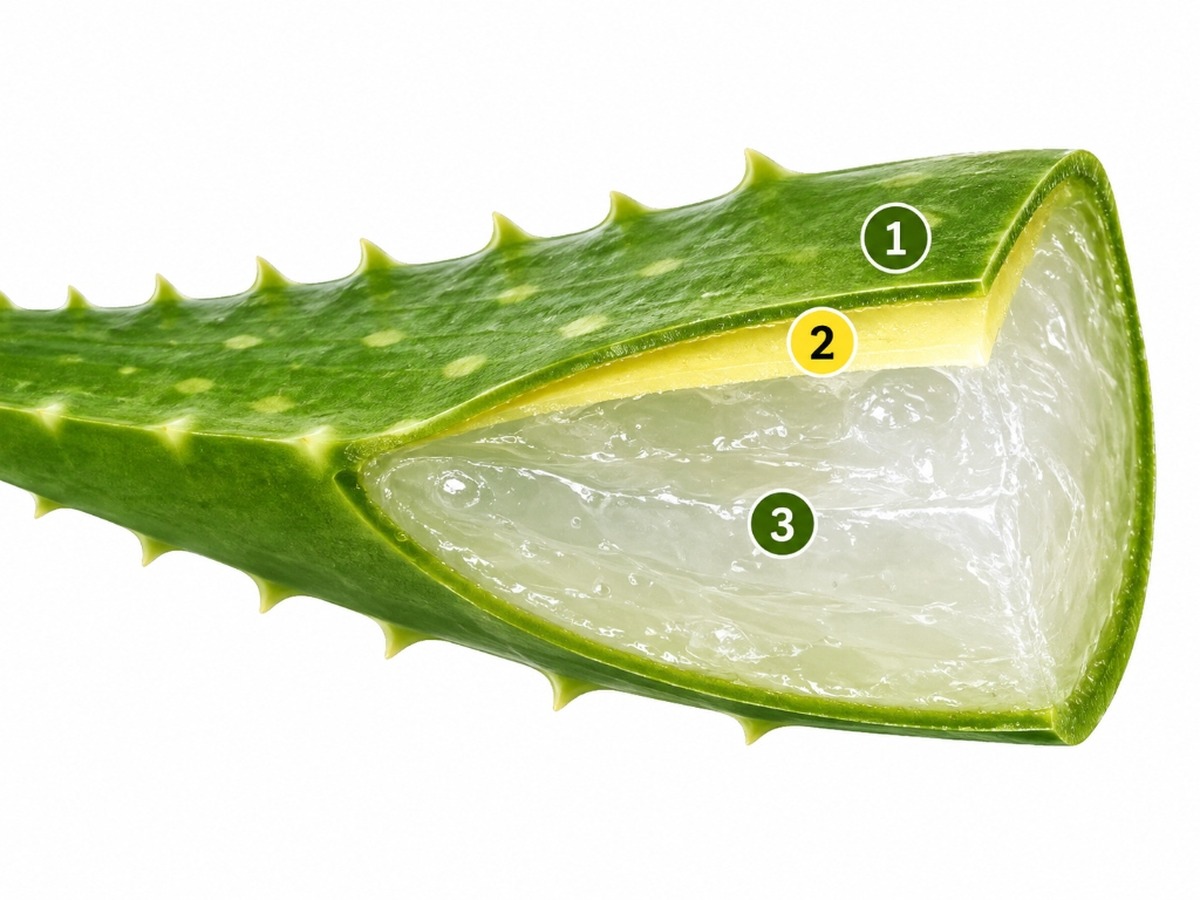
An aloe vera leaf consists of three distinct anatomical zones, each serving different functions:
| Leaf Section | Anatomical Composition | Food & Beverage Processing Rule |
|---|---|---|
| Outer Green Rind | Tough protective outer exodermis. | Completely removed and discarded during food processing. |
| Latex Layer (Pericyclic Cells) | Bitter yellow sap containing anthraquinones (Aloin A and B). | Must be strictly washed away and excluded from edible inner-leaf food products. |
| Inner Parenchyma Fillet | Clear, water-dense hydrogel tissue containing mucilage and acemannan. | The safe, edible raw material used for bubble tea cubes, beverages, and purees. |
Aloe jelly, pulp, and cubes: understanding product differences
Depending on the manufacturer, aloe toppings fall into two technical categories:
- Whole Inner-Leaf Fillet Cubes: Diced pieces of natural aloe parenchyma preserved in light syrup, delivering an authentic crisp, juicy bite.
- Formed Aloe Jelly: A blended gel combining aloe juice/extract with gelling agents such as agar-agar, konjac, or carrageenan, yielding a uniform springy texture.
What does aloe jelly taste like?
Plain aloe inner-leaf tissue consists of over 98% water with minimal natural sugar, giving it a subtle, clean, and mildly vegetal flavor resembling fresh cucumber or peeled white grape. The sweet flavour in bubble tea comes primarily from the packing syrup or honey infusion.
High-quality food-grade aloe should never taste sharply bitter. Intense bitterness is a warning sign of poor processing, leaf damage, or residual latex containing aloin. If an aloe topping tastes distinctly bitter or chemical, discard it immediately.
Aloe jelly safety and aloin control
Safety in aloe vera foods centers on the complete removal of aloin—a bitter, yellow anthraquinone compound found in the leaf latex beneath the green skin. Aloin has potent laxative properties and can cause abdominal cramping, diarrhea, and electrolyte imbalances when ingested.
Understanding the 10 ppm aloin quality standard
The International Aloe Science Council (IASC) establishes an industry quality certification threshold limiting total aloin content to less than 10 parts per million (ppm) for aloe raw materials destined for oral consumption. While commercial food processors achieve this through mechanized filleting, extensive washing, and activated carbon decolorization, standard home kitchen washing cannot measure or guarantee aloin removal.
Safety Recommendation: For bubble tea preparation, always purchase commercially processed, food-grade canned or pouched aloe vera cubes rather than preparing raw fresh leaves at home.
Pregnancy, breastfeeding, and medical considerations
According to the US National Center for Complementary and Integrative Health (NCCIH), oral aloe consumption (particularly formulations containing unrefined latex or whole-leaf extracts) may be unsafe during pregnancy and breastfeeding. Aloe may also interact with prescription medications such as cardiac glycosides (digoxin) and diabetes drugs. Consult a healthcare professional if you have underlying medical conditions.
How commercial aloe jelly is manufactured
Professional beverage ingredient manufacturers produce shelf-stable aloe boba toppings through rigorous food-safety workflows:
- Leaf Harvesting & Washing: Mature Aloe vera leaves are sanitized in chlorinated water baths.
- Mechanical Filleting: Automated blades slice away the outer rind and yellow latex layer.
- Rinsing & Sizing: Inner parenchyma fillets are thoroughly washed to remove residual latex and diced into uniform 8–12 mm cubes.
- Syrup Infusion: Cubes are steeped in sugar, fructose, or honey syrup with citric acid for pH control and calcium lactate for firming.
- Thermal Pasteurization: Sealed pouches or cans undergo mild thermal treatment to ensure commercial stability without mushing cube texture.
How to prepare food-grade aloe jelly for boba at home
This easy 4-serving home recipe uses store-bought food-grade aloe cubes to create a delicious, café-quality bubble tea topping.
Ingredients
- 300 g drained food-grade aloe vera cubes (canned or vacuum-pouched)
- 60 g granulated cane sugar or raw honey
- 60 ml hot filtered water
- 1 tsp fresh lemon juice (optional, for fruit tea applications)
Step-by-step instructions
- Drain the Aloe: Open the package and drain the aloe cubes in a fine-mesh strainer. Lightly rinse with cool water if you prefer a less sweet base.
- Dissolve the Syrup: Stir cane sugar or honey into 60 ml hot water until fully dissolved. Allow the syrup to cool completely to room temperature.
- Infuse the Cubes: Transfer the drained aloe cubes into a clean glass container and pour the cooled syrup over them. Add lemon juice if pairing with fruit tea.
- Refrigerate & Serve: Seal and chill in the refrigerator for 1 to 4 hours. Spoon 50–75 g of aloe into your favorite iced fruit tea and enjoy with a 12 mm wide straw.
Best bubble tea pairings for aloe jelly
| Drink Combination | Flavor Synergy | Suggested Sweetness |
|---|---|---|
| Passion Fruit Jasmine Green Tea | Bold tropical tartness balances aloe's juicy sweetness. A crisp aloe topping for passion fruit tea creates an unbeatable summer refresher. | 25% – 50% |
| Lemon Honey Oolong Tea | Zesty citrus and floral honey accentuate aloe's clean, vegetal notes. | 25% |
| Mango Green Tea | Lush mango nectar paired with crisp aloe cubes offers contrasting soft and crunchy textures. | 25% – 50% |
| Peach White Tea | Delicate white tea and sweet peach aroma allow aloe's subtle flavor to shine. | 25% |
| Lychee Jasmine Tea | Exotic floral sweetness harmonizes perfectly with chilled aloe cubes. | 25% |
| Cucumber Lime Cooler | Ultra-hydrating botanical blend highlighting natural melon and cucumber undertones. | 25% |
Aloe jelly vs other bubble tea toppings
| Topping | Primary Ingredient | Texture Profile | Best Pairing | Calorie Level |
|---|---|---|---|---|
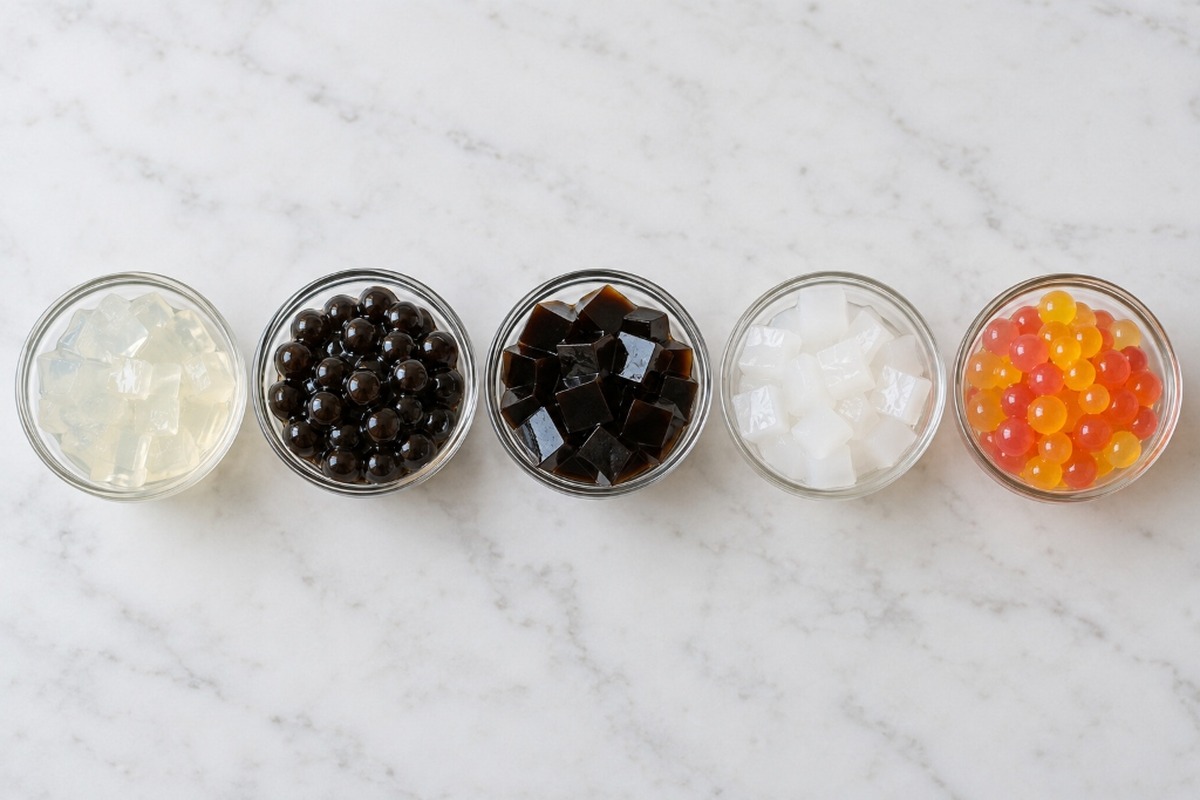
| Aloe Jelly Boba | Inner-leaf aloe vera | Juicy, crisp, refreshing | Fruit teas, lemonades | Low (30–45 kcal / 50g) |
| Tapioca Pearls | Cassava starch | Dense, chewy, elastic (QQ) | Milk teas, brown sugar | High (100–140 kcal / 50g) |
| Grass Jelly | Platostoma palustre herb | Silky, tender, herbal melt | Roasted oolong, milk tea | Low (25–40 kcal / 50g) |
| Nata de Coco | Fermented coconut water | Firm, fibrous, springy | Fruit teas, slushies | Moderate (40–60 kcal / 50g) |
| Popping Boba | Fruit juice + alginate membrane | Thin skin with liquid burst | Fruit teas, sparkling sodas | Moderate (40–60 kcal / 50g) |
| Aiyu Jelly | Awkeotsang creeping fig seeds | Delicate, translucent wobble | Lemon and citrus teas | Low (20–35 kcal / 50g) |
For more detailed topping comparisons, explore our guides on traditional cassava starch tapioca pearls, herbal grass jelly topping, and chewy nata de coco coconut gel.
Frequently asked questions about aloe jelly boba
Is aloe jelly boba good for you?
Aloe jelly boba is a lighter alternative to starch-heavy tapioca pearls, containing fewer calories and zero dietary fat. However, because it is packed in sweetened syrup, it contributes added sugars and should be enjoyed as a refreshing treat rather than a medical health remedy.
What does aloe vera boba taste like?
It has a subtle, clean, refreshing flavor with mild vegetal notes reminiscent of cucumber and melon, complemented by the light sweetness of its packing syrup.
How many calories are in aloe jelly boba?
A standard 50 g serving of drained aloe jelly boba adds approximately 30 to 45 calories, compared to 100 to 140 calories for an equivalent portion of brown sugar tapioca pearls.
Is aloe jelly boba vegan?
Yes. Authentic aloe vera pieces and plant-based formed jellies (using agar or konjac) are 100% vegan. Always verify that the sweetening syrup contains cane sugar rather than honey if adhering to a strict vegan diet.
Is aloe jelly gluten-free?
Yes. Pure aloe vera tissue and simple sugar syrups are naturally gluten-free. Check commercial packaging labels for facility allergen cross-contamination statements.
Does aloe jelly contain animal gelatin?
No. Most commercial aloe boba toppings consist of diced natural aloe fillets or vegetable-based hydrocolloids (agar-agar, carrageenan) rather than porcine or bovine gelatin.
Can pregnant women consume aloe jelly boba?
According to NCCIH guidelines, oral consumption of unrefined aloe products is not recommended during pregnancy or breastfeeding. Pregnant individuals should consult their obstetrician before consuming aloe vera beverages.
Can I put aloe jelly in hot bubble tea?
Aloe jelly is best enjoyed in iced or chilled beverages. Hot liquids can cause the aloe cubes to soften excessively and lose their signature crisp bite.
Is aloe jelly the same as popping boba?
No. Aloe jelly consists of solid, crisp plant cubes, whereas popping boba features a delicate alginate gel skin encasing liquid fruit juice that bursts when chewed.
How long does opened aloe jelly last?
Once opened, transfer aloe cubes and syrup into an airtight container and store in the refrigerator at 40°F (4°C) or below. Consume within 3 to 5 days.
Can I make aloe jelly from a fresh raw aloe leaf?
Preparing raw leaves at home carries the risk of incomplete aloin removal, leading to bitter taste and digestive upset. Using packaged food-grade aloe ensures certified aloin control under 10 ppm.
What tea pairs best with aloe jelly?
Jasmine green tea, passion fruit tea, lemon honey oolong, and peach white tea are the top pairing choices, providing refreshing citrus and floral notes that complement aloe's mild profile.
Sources and industry references
- US National Center for Complementary and Integrative Health (NCCIH): Aloe Vera Research & Safety Overview.
- US FDA: Rulemaking History for Over-the-Counter Laxative Drug Products (Aloin Reclassification).
- International Aloe Science Council (IASC): Quality Certification & Aloin Limits.
- Kew Science: Plants of the World Online - Aloe vera (L.) Burm.f. Taxonomy.


 Badge-157x140.png)
Comments