
Wintermelon Milk Tea: Taste, Caffeine and Easy Recipe
Wintermelon milk tea is a sweet, creamy bubble tea flavored with winter melon syrup. It usually tastes of brown sugar, caramel and mild cooked gourd. The drink does not taste much like watermelon, honeydew or cantaloupe.
Its caffeine content depends on the base. Winter melon syrup, water and milk contain no natural caffeine. Assam black tea, green tea or oolong tea adds caffeine. Check the recipe or ask the shop because the name wintermelon milk tea does not tell you whether tea leaves are present.
Wintermelon milk tea at a glance
| Question | Short answer |
|---|---|
| What does it taste like? | Sweet, caramel-like, butterscotch and mildly earthy |
| Is it watermelon? | No. Winter melon is Benincasa hispida, a wax gourd |
| Does it contain caffeine? | Only when tea, coffee or another caffeine source is added |
| Common cafe base | Winter melon syrup or dissolved tea brick |
| Best tea pairing | Black tea, jasmine green tea or roasted oolong |
| Best toppings | Grass jelly, tapioca pearls, egg pudding or aloe jelly |
| Can sweetness be changed? | Sometimes, though less syrup also means less winter melon flavor |
| Can it be vegan? | Yes, with plant milk (oat, soy, coconut) and label-checked syrup |
What is wintermelon milk tea?
Wintermelon milk tea is a cold milk drink flavored with a sweet winter melon concentrate. Shops may use bottled syrup, house-cooked syrup, a concentrated paste or a solid winter melon tea brick.
Some recipes contain brewed tea. Others use only winter melon syrup, milk, water and ice. This explains why 2 drinks with the same name can have different caffeine levels and flavors.
The drink may also be called winter melon boba, winter melon milk, donggua milk or donggua milk tea. Donggua cha means winter melon drink or winter melon tea. Here, tea can describe a plant-based beverage even when it contains no leaves from Camellia sinensis.
Taiwanese winter melon drink context
Donggua cha is an essential pillar of Taiwanese drink culture, traditionally brewed by simmering fresh wax gourd with brown sugar into a rich, aromatic concentrate. Modern bubble tea shops pair this fragrant syrup with whole milk, fresh oat drink, brewed tea and chewy toppings.
Plain donggua cha functions as a caffeine-free herbal refreshment. Adding creamy milk and brisk black or oolong tea elevates it into the velvety cafe drink beloved across global boba menus.
What is winter melon?
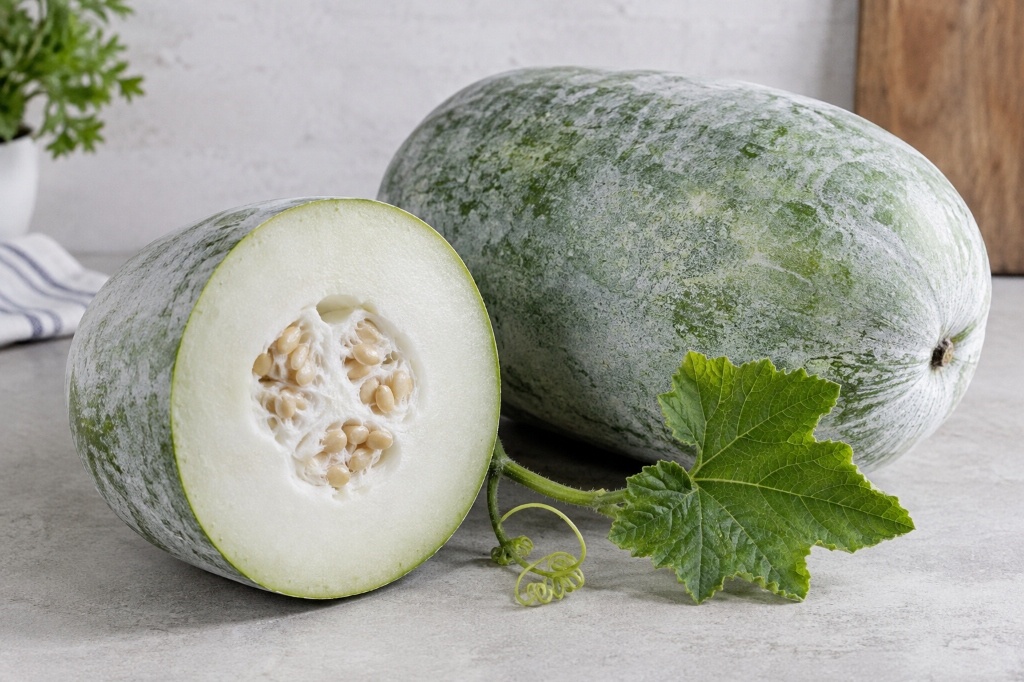
Winter melon is the fruit of Benincasa hispida, a member of the Cucurbitaceae (gourd) family. Other common names include wax gourd, ash gourd and white gourd.
Kew Science records the species as native from central and southern Malesia to the southwest Pacific. Mature fruits develop a distinct pale, powdery waxy bloom that seals moisture inside, enabling the gourd to store for months through winter seasons.
What does fresh winter melon taste like?
Fresh raw winter melon has a mild, watery, crisp profile similar to cucumber or zucchini. Because its natural flavour is subtle, it absorbs surrounding seasonings and sugars during simmering, becoming a rich, caramel-like nectar when cooked with brown sugar.
What does wintermelon milk tea taste like?
Wintermelon milk tea tastes sweet, creamy and deeply caramelized. Brown cane sugar delivers toasted molasses and butterscotch notes, while cooked winter melon pulp imparts a delicate herbal-vegetal undertone that rounds out the sweetness.
When combined with milk, it produces a silky, comforting mouthfeel. Adding black tea introduces malty briskness, jasmine tea brings floral aroma, and roasted oolong provides a toasted nutty finish.
Does wintermelon milk tea taste like watermelon?
No. Watermelon is Citrullus lanatus, a crisp, sweet, red-fleshed fruit. Winter melon is Benincasa hispida, a savoury white-fleshed wax gourd. Wintermelon milk tea derives its signature caramel sweetness from slow-simmered brown sugar reduction rather than fruity melon juice.
Wintermelon vs brown sugar milk tea taste
| Feature | Wintermelon milk tea | Brown sugar milk tea |
|---|---|---|
| Main flavor | Winter melon syrup with cooked-sugar & gourd notes | Dark caramelized cane sugar syrup (Kuromitsu / Muscovado) |
| Plant ingredient | Wax gourd pulp and essence | Sugar cane only |
| Taste nuance | Light caramel, butterscotch, subtle herbal gourd finish | Heavy molasses, roasted smokiness, rich sweetness |
| Best topping pairing | Grass jelly, egg pudding, aloe jelly | Warm chewy tapioca pearls |
Does wintermelon milk tea have caffeine?
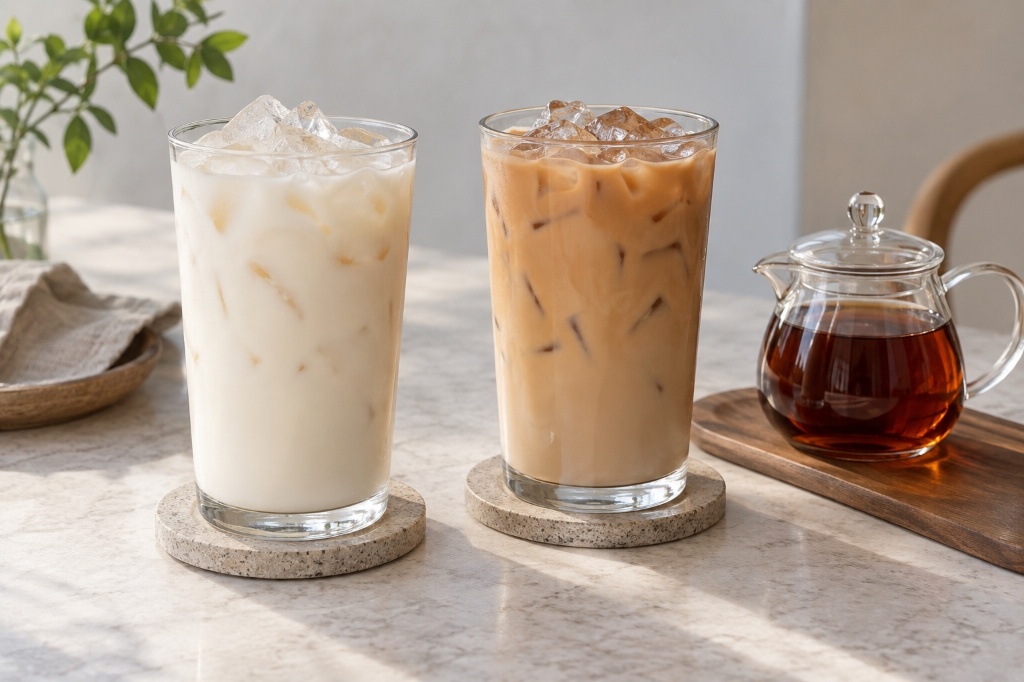
Pure winter melon, sugar, milk, and tapioca contain zero caffeine. A winter melon drink made strictly with milk and syrup is completely caffeine-free, making it an ideal choice for children and evening consumption.
However, when a cafe blends winter melon syrup with a true brewed tea base (such as Ceylon black tea or green tea), the beverage will contain caffeine. FDA figures list approximately 71 mg for a standard 12 oz black tea and 37 mg for green tea.
| Drink preparation | Caffeine status | What to check at the shop |
|---|---|---|
| Winter melon syrup + fresh milk / oat milk | 100% Caffeine-Free | Confirm no tea leaves are added to the milk |
| Wintermelon black milk tea | Contains caffeine (~40–70 mg) | Check tea steeping volume and ratio |
| Wintermelon green milk tea | Contains caffeine (~25–45 mg) | Jasmine green tea base |
| Wintermelon roasted oolong tea | Contains caffeine (~30–50 mg) | Roasted oolong base |
What is a wintermelon tea brick?
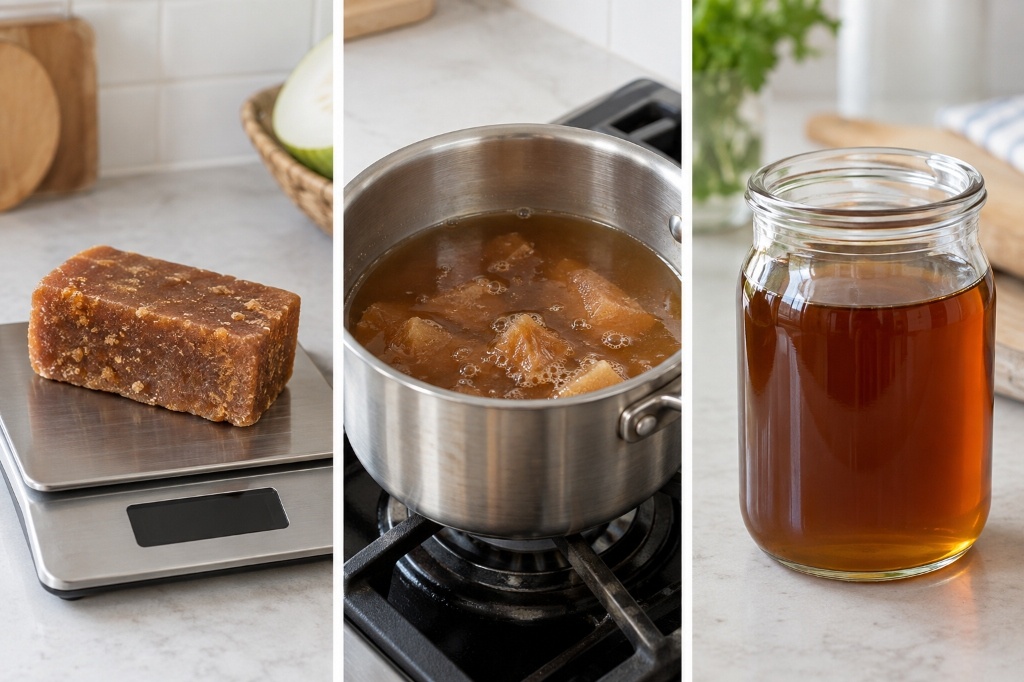
A winter melon tea brick (donggua zhuan) is a concentrated solid block made by boiling down fresh winter melon pulp and dark cane sugar until crystallized into a hard slab. Commercial bricks dissolve smoothly in hot water to yield authentic Taiwanese boba syrup.
How to dissolve a wintermelon tea brick
- Weigh the required portion of the winter melon brick on a kitchen scale.
- Heat water in a stainless-steel saucepan according to package instructions (typically 1 part brick to 1–2 parts water for concentrate).
- Add the brick chunks and stir over low heat until completely dissolved with no solid pieces remaining.
- Allow the amber syrup to cool to room temperature, then store in an airtight glass container in the refrigerator at 4°C.
Food chemistry behind the caramel taste
The complex butterscotch aroma of winter melon syrup arises during reduction through non-enzymatic browning:
- Caramelization: Thermal decomposition of sucrose and glucose at elevated temperatures yields buttery diacetyl, nutty pyrazines and caramel maltol notes.
- Maillard Reaction: Interactions between reducing sugars and naturally occurring trace amino acids produce savory, toasted complexities that temper excessive sweetness.
Easy wintermelon boba recipe
This boba-shop formula makes 2 iced 16 oz drinks with silky winter melon syrup and chewy toppings.
Ingredients
- 60 to 80 ml prepared winter melon syrup (dissolved brick or commercial syrup)
- 240 ml cold whole milk or unsweetened oat milk
- 160 ml chilled black tea, jasmine green tea or cold water (for caffeine-free)
- 80 to 100 g cooked honey tapioca pearls
- 80 g diced grass jelly
- 250 to 300 g ice cubes
Method
- Prepare Syrup: Dissolve winter melon brick in hot water or measure ready-to-use syrup. Chill completely in the refrigerator.
- Layer Glass: Divide cooked tapioca pearls and diced grass jelly between 2 tall 16 oz glasses. Drizzle 30–40 ml winter melon syrup over the toppings.
- Add Ice & Tea: Fill glasses with ice cubes. Pour 80 ml chilled tea (or cold water) into each glass.
- Pour Milk & Serve: Top with 120 ml cold milk or oat drink. Stir gently to create an amber-cream swirl and enjoy with a wide straw.
Best toppings for wintermelon boba
- Grass Jelly (Platostoma palustre): The premier pairing. Its cool herbal bitterness balances the rich caramel sweetness of winter melon syrup perfectly.
- Egg Pudding: Adds a silky, custard texture that melts into the caramel-infused milk.
- Tapioca Pearls: Delivers classic bouncy chewiness that absorbs the brown sugar notes.
- Aloe Vera Jelly: Provides a crisp, juicy bite that lightens the drink's mouthfeel.
- Nata de Coco: Chewy coconut gel cubes that pair wonderfully with tea-led winter melon variations.
Frequently asked questions
What does wintermelon milk tea taste like?
It tastes sweet, creamy, and caramel-like with subtle butterscotch and cooked-gourd notes. Tea-based versions also carry malty, floral or roasted tea aromas.
Does wintermelon milk tea have caffeine?
It contains caffeine only when made with brewed black, green, or oolong tea. A version made with only winter melon syrup, milk, and water is 100% caffeine-free.
Is wintermelon the same as watermelon?
No. Winter melon is Benincasa hispida (a savoury wax gourd), whereas watermelon is Citrullus lanatus (a sweet red fruit). Winter melon tea gets its sweetness from cooked cane sugar syrup.
What is a wintermelon tea brick made of?
It is a solid concentrate made by boiling down fresh winter melon pulp with brown sugar and cane sugar until solidified. It dissolves easily in hot water for boba preparation.
Why can wintermelon milk tea have fixed sweetness?
Because the winter melon flavor and sugar are cooked together in one syrup. Reducing syrup sweetness also reduces the winter melon flavor profile.
Can wintermelon milk tea be vegan?
Yes. Pair winter melon syrup with oat milk, soy milk, or coconut milk, and choose vegan toppings such as grass jelly, boba pearls, or aloe vera.
What tea works best with winter melon syrup?
Bold Assam black tea complements the caramel notes, while roasted oolong adds smokiness and jasmine green tea brings a lighter floral contrast.
What are the best toppings for wintermelon boba?
Grass jelly, honey tapioca pearls, egg pudding, aloe vera jelly, and nata de coco are the most popular and balanced pairings.
Why is it called winter melon?
Mature gourds develop a waxy white coating resembling frost and store exceptionally well for months through the winter season.
Is winter melon tea the same as wintermelon milk tea?
Winter melon tea (donggua cha) is syrup mixed with water and ice. Wintermelon milk tea adds fresh dairy or plant milk and optional brewed tea.
Sources and review notes
Botanical classifications and food science references were verified against authoritative botanical and governmental sources:
- Kew Science: Benincasa hispida (Wax Gourd)
- USDA: Winter melon and Asian vegetables guide
- FDA: Typical caffeine content and variation
- Kew Science: Platostoma palustre (Grass Jelly plant)
- Research on wax crystals on winter melon fruit (PubMed)
- Research on aroma-active compounds in brown sugar (PubMed)


 Badge-157x140.png)
Comments